Kořenové kanálky: Co to je, když je potřeba a co vás čeká při léčbě
When your tooth hurts so bad that even cold water makes you flinch, it’s often not just a cavity — it’s an kořenové kanálky, zubní léčba, která odstraňuje infikovaný nerv a zachraňuje zub před vytažením. Also known as endodontická léčba, it’s the most common way to save a tooth that’s been damaged from deep decay, trauma, or repeated fillings. Many people think it’s painful, but modern techniques make it about as comfortable as getting a regular filling — if anything, it’s the pain before the treatment that’s unbearable.
What actually happens inside a kořenový kanálek, úzký prostor uvnitř kořene zubu, kde se nachází nerv, cévy a pojivová tkáň? When bacteria reach that area, they cause inflammation or infection. Your body can’t fight it off on its own, and the pain gets worse. Left untreated, the infection spreads to the jawbone and can even cause abscesses. That’s why zubní nerv, citlivá tkáň uvnitř zubu, která přenáší bolest a krevní oběh do zubu needs to be removed — not because it’s the enemy, but because it’s already dead or dying. The goal isn’t to kill the tooth — it’s to save it.
After the nerve is gone, the canal is cleaned, shaped, and sealed with a special material. You won’t feel the tooth the same way anymore — no more sensitivity to hot or cold — but you’ll still be able to chew, smile, and speak normally. The tooth might need a crown afterward, especially if it’s a molar. That’s not because the treatment failed — it’s because the tooth is now more fragile without its internal support system.
You might wonder: why not just pull it? It’s cheaper, right? But losing a tooth changes everything — your bite shifts, other teeth move, chewing gets harder, and over time, your jawbone starts to shrink. Replacing it with an implant costs more and takes longer. Saving your natural tooth with kořenové kanálky is often the smartest long-term choice.
Some people delay treatment because they’re afraid of the pain or think it’s "not serious yet." But infections don’t wait. What starts as a dull ache can turn into swelling, fever, or even hospitalization. The earlier you act, the simpler, faster, and cheaper the fix becomes.
In the posts below, you’ll find real stories and clear explanations about what happens before, during, and after léčba kořenových kanálků, procedura, která zachraňuje zub od infekce a umožňuje mu zůstat v ústech. We’ll cover what to expect if your tooth starts hurting again after treatment, why some people need a second try, and how to tell if your tooth is healing properly. You’ll also learn how to avoid needing one in the first place — because the best kořenový kanálek is the one you never need.
Co když nezabírají antibiotika při léčbě kořenových kanálků?
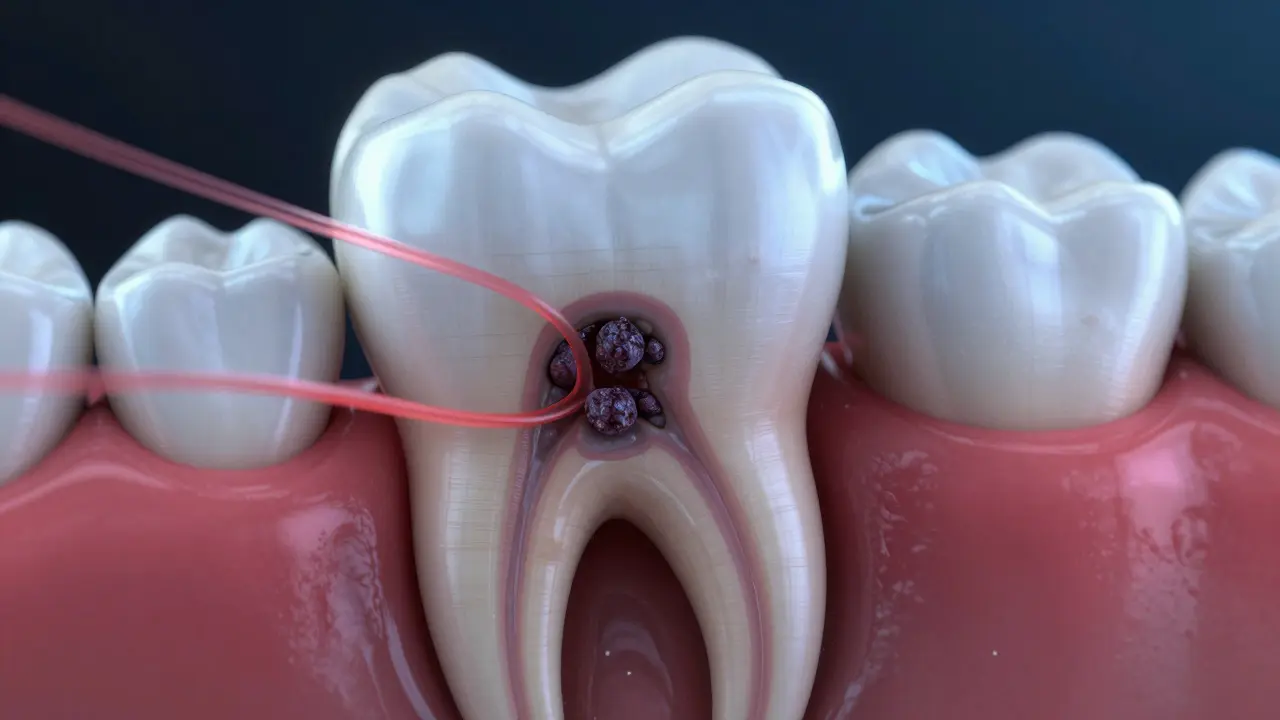
Antibiotika nezabíjejí infekci v kořenovém kanálku - jen dočasně zmírní příznaky. Pravé řešení je endodontie. Co dělat, když léky nepomáhají, a proč odložení léčby může stát zub.
VíceKolik má zub nervu? Všechno, co potřebujete vědět o endodontickém ošetření
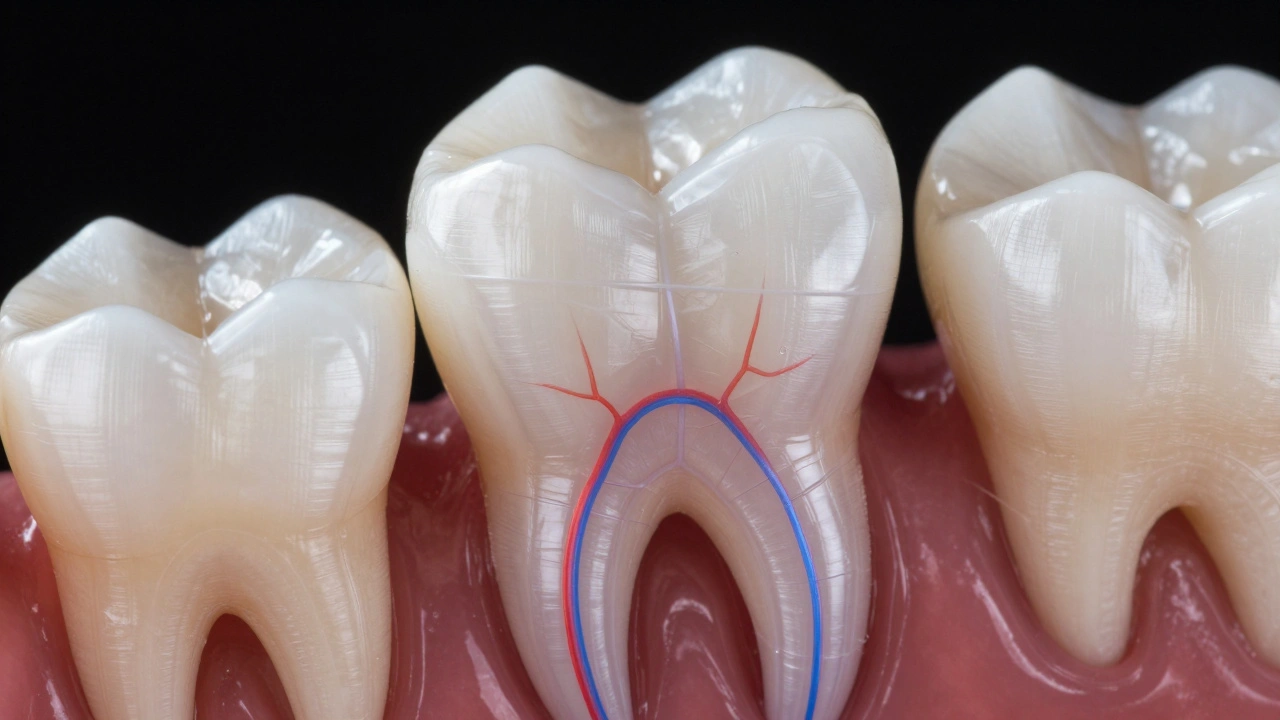
Zjistěte, kolik nervů má zub a proč to ovlivňuje vaši léčbu. Víte, že molár může mít až 6 kanálků? Pochopte, kdy je kořenová léčba nutná a jak ji správně zvládnout.
Více